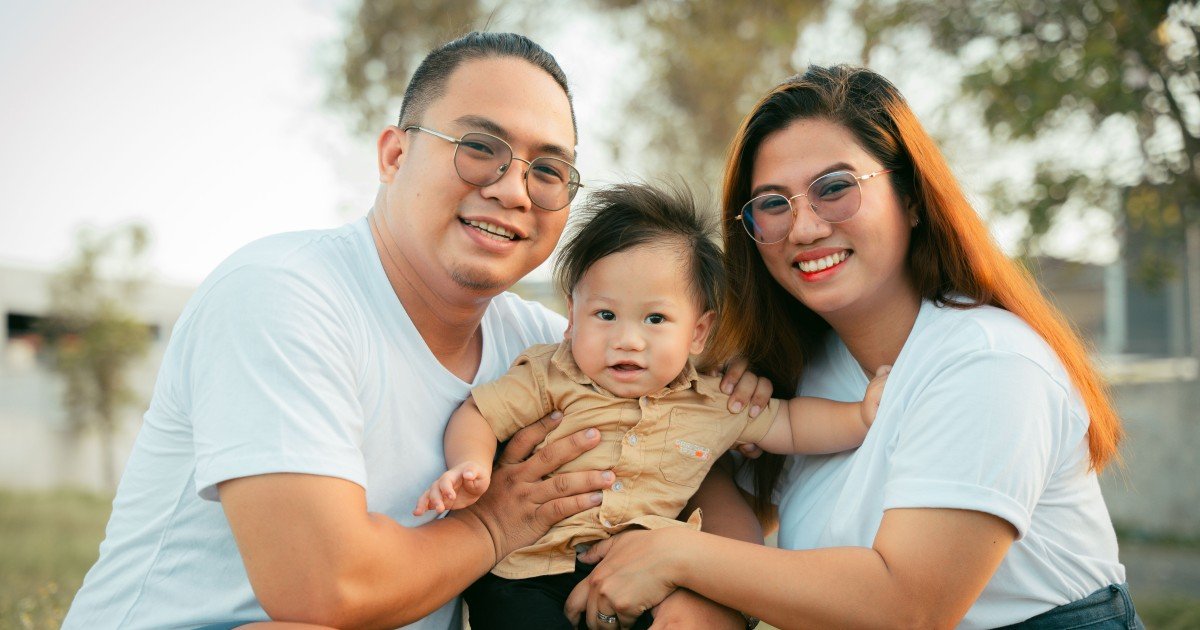
Choosing a name for a baby is one of those decisions that can feel surprisingly personal. A name may carry family history, religious beliefs, cultural identity, or simply a sound that parents love. If you are looking for top 50 popular boys names in the Philippines, you will find a fascinating mix of biblical names, internationally familiar choices, modern favorites, and traditional names that continue to appear across generations. Recent Philippine naming patterns show strong interest in names such as Nathaniel, Jayden, Ezekiel, Gabriel, Liam, Jacob, Ethan, Matthew, Zion, and Nathan. The Philippine Statistics Authority reported these as the 10 most common baby boy names among registered births in 2024.
But popularity does not tell the whole story. Filipino families often consider how a first name sounds with a surname, whether grandparents can pronounce it comfortably, what the name means, and whether it works equally well for a child, teenager, and adult. That is why this guide goes beyond simply listing names. It explores meanings, naming styles, cultural influences, pronunciation, and practical tips for choosing a name that feels right.
What Makes Filipino Boy Names So Interesting?
The Philippines has a rich naming culture shaped by several historical and cultural influences. Spanish history, Christianity, English-language education, local traditions, international media, and Filipino family customs have all contributed to the names commonly heard today.
This creates an interesting naming landscape.
You may meet a Filipino boy named Gabriel, Nathaniel, Jacob, or Matthew alongside someone with a distinctly local or family-specific name. Some parents prefer traditional biblical names, while others choose short modern names such as Liam or Jayden.
Another characteristic of Filipino naming culture is the importance of the complete name. Parents may think about the first name, middle name, surname, nicknames, initials, and even how the name will appear on school records and professional documents.
In other words, choosing a name is rarely just about finding something that sounds attractive.
It is often about finding a name that fits a person and a family.
Top 50 Popular Boys Names in the Philippines
The list below brings together currently popular choices and names that have appeared prominently in recent Philippine baby-name patterns. The first 10 reflect the Philippine Statistics Authority’s published 2024 ranking of the most common registered baby boy names. The remaining names are presented as popular or familiar choices rather than an official national ranking of positions 11 through 50. This distinction matters because there is no single official PSA ranking that establishes an exact top 50 for 2024.
1. Nathaniel
Nathaniel has a particularly strong place in recent Philippine naming trends. It ranked first among boys in the PSA’s 2024 data, with 1,766 registered births, and has remained exceptionally consistent over the years. The name has biblical origins and is traditionally associated with the meaning “gift of God.”
It has a formal sound but also works naturally with shorter nicknames.
2. Jayden
Jayden is a modern-sounding choice that has gained considerable attention among Filipino parents. In 2024, it moved up dramatically to second place, after ranking ninth the previous year. The name has a youthful, international character and fits comfortably into contemporary naming styles.
3. Ezekiel
Ezekiel combines a traditional biblical foundation with a distinctive sound. It ranked third in the Philippines in 2024.
For parents who want a name with religious significance but prefer something less ordinary than some classic choices, Ezekiel can be an appealing option.
4. Gabriel
Gabriel has remained one of the most dependable choices in the Philippines. It ranked fourth in 2024 and has repeatedly appeared near the top of recent national rankings.
Its biblical history, familiar pronunciation, and timeless character make it easy to understand why the name continues to appeal to families.
5. Liam
Short, modern, and easy to pronounce, Liam has become increasingly popular among Filipino families. It ranked fifth in the 2024 PSA list.
One reason short names can be attractive is practicality. Liam is easy to say, spell, remember, and pair with many Filipino surnames.
6. Jacob
Jacob is another biblical classic that continues to perform strongly. It ranked sixth in 2024.
The name feels traditional without sounding outdated. It can work equally well for a young child and an adult, which is an important consideration when selecting a lifelong name.
7. Ethan
Ethan ranked seventh among Philippine baby boys in 2024. It is a familiar biblical name with a modern international sound.
Its relatively short spelling also makes it convenient for everyday use.
8. Matthew
Matthew has long been recognized as a classic biblical name. In the Philippines, it remained among the most common choices in 2024, ranking eighth.
It offers a formal full name while allowing casual nicknames depending on family preference.
9. Zion
Zion reached ninth place in the 2024 ranking and was a new entrant to that year’s top 10.
The name has strong biblical associations and a distinctive sound. Its rise also illustrates how Filipino naming preferences continue to evolve rather than remaining fixed around older classics.
10. Nathan
Nathan completed the Philippine top 10 for boys in 2024.
It is concise and traditional, while also sharing a connection with Nathaniel. For families who like the longer Nathaniel but prefer something shorter, Nathan can feel like a natural alternative.
11. Noah
Noah has become a familiar choice for Filipino parents looking for a short biblical name.
It appeared in the Philippine top 10 in 2023 and 2022, showing that its popularity is not simply a one-year phenomenon.
Noah is particularly attractive to parents who want a name that works naturally in both Filipino and international settings.
12. James
James is one of the most established English-language names found in Filipino naming traditions.
It has a classic quality and pairs easily with many middle names. Although it moved outside the most recent top 10, its long history of popularity makes it worth considering.
13. Angelo
Angelo has strong familiarity among Filipino families and has appeared prominently in previous Philippine baby-name rankings.
It has a warm, melodic quality and is especially recognizable within Christian naming traditions.
14. Joshua
Joshua is another biblical favorite. It has been repeatedly present in Philippine baby-name lists over the years.
The name offers a balance between traditional meaning and everyday familiarity, making it a dependable choice for parents who want something recognizable.
15. Christian
Christian directly reflects the strong influence of Christianity on Filipino culture and family life.
It is straightforward, familiar, and easy to pronounce. The name has also appeared among popular Filipino boy names in earlier PSA rankings.
16. Daniel
Daniel is a classic biblical name with broad international recognition.
It works well across generations and can be shortened casually while retaining a formal full-name option.
17. John
John is among the world’s most recognizable traditional names and has a long history within Filipino families.
Its greatest advantage may be simplicity. It is easy to spell, pronounce, and combine with other names.
18. Adrian
Adrian has a polished, contemporary sound while retaining a traditional foundation.
For parents who want something that feels sophisticated without being overly elaborate, Adrian can be a strong choice.
19. Andrew
Andrew is a familiar Christian name that has remained recognizable in the Philippines for decades.
It works particularly well with longer Filipino surnames because its pronunciation is clear and uncomplicated.
20. Michael
Michael is another enduring classic. It has biblical roots and broad international usage.
The name can sound formal on official documents but remains relaxed in everyday conversation.
21. Miguel
Miguel reflects the historical Spanish influence on Filipino names.
It has a distinctly Hispanic character while also being deeply familiar in the Philippines. Parents looking for a traditional name with cultural resonance may find Miguel especially appealing.
22. Carlo
Carlo is a compact and friendly name with European and Spanish associations.
It is easy to pronounce and has a warm conversational quality that works well in Filipino households.
23. Carlos
Carlos is the longer counterpart to Carlo and has longstanding Spanish-language roots.
It can feel traditional and distinguished without being difficult to use in everyday life.
24. Marco
Marco is another name with a strong international presence.
It is short, recognizable, and easy to combine with both traditional and modern middle names.
25. Rafael
Rafael is a strong traditional choice with Spanish and biblical associations.
Its distinctive sound makes it stand out while remaining familiar enough for everyday use.
26. Rafael
Rafael is sometimes chosen for its graceful pronunciation and traditional character. It can also pair naturally with shorter first or middle names.
Because naming preferences vary significantly between families, names with Spanish, biblical, and international backgrounds continue to coexist comfortably in the Philippines.
27. Luis
Luis is a classic Spanish-influenced name that remains familiar in Filipino communities.
It is short and versatile, making it suitable for parents who prefer traditional names without lengthy spellings.
28. Gabriel
Gabriel is worth mentioning again in terms of naming style because it demonstrates why some names remain popular across generations.
Rather than treating names as temporary trends, many Filipino parents choose names with established cultural and religious meaning.
For an actual ranking, however, Gabriel should be counted only once. The broader point is that its repeated appearance in recent national data confirms its staying power.
29. Paolo
Paolo has Italian roots and is familiar within Filipino naming culture.
It has a youthful sound while still feeling established. It can be particularly attractive to families looking for something less common than John or Michael but still easy to pronounce.
30. Vincent
Vincent offers a classic, polished style.
It has religious and historical associations and can work well for parents who prefer traditional names with an international feel.
31. Anthony
Anthony has been widely used in English-speaking and Catholic communities.
Its familiarity makes it easy for people of different generations to recognize, while its traditional character gives it lasting appeal.
32. Francis
Francis has a strong Christian association and a formal yet approachable sound.
It can be particularly suitable for families who appreciate religious names but want an option that feels distinct from the most frequently chosen biblical names.
33. Joseph
Joseph is one of the best-known biblical names and has deep roots in Christian naming traditions.
Its simplicity and history make it a timeless choice rather than a passing trend.
34. Mark
Mark is short, direct, and easy to use.
It can be attractive to parents who want a simple first name that does not require a nickname or complicated spelling.
35. John Paul
John Paul is an example of the two-name tradition that is familiar in Filipino naming culture.
Combining two established Christian names can create a formal full name while still offering flexibility in everyday use.
36. Christian
Christian remains a recognizable option for families who want a name that communicates religious identity directly.
It also has the advantage of being widely understood outside the Philippines.
37. Kevin
Kevin represents the more modern side of Filipino naming trends.
It has been familiar among Filipino families for many years and remains an accessible choice for parents who prefer English-language names.
38. Joshua
Joshua continues to deserve attention because of its long-running popularity.
Its biblical background, recognizable pronunciation, and strong presence in previous Philippine rankings make it a practical choice for traditional-minded families.
39. Kyle
Kyle is short and contemporary.
It fits the preference for compact first names and can work particularly well with longer surnames.
40. Angelo
Angelo is another example of a name that blends Christian influence with a melodic style.
Its familiarity among Filipino families gives it a distinctly recognizable place in the country’s naming landscape.
41. Jose
Jose is deeply associated with Filipino and Spanish naming traditions.
It is historically significant and remains a meaningful option for families who value heritage, family continuity, or traditional naming.
42. Antonio
Antonio is a classic Spanish name with a long history of use.
It provides a more formal sound and can be shortened depending on family preference.
43. Emmanuel
Emmanuel has strong biblical significance and is associated with the idea of “God with us.”
For families seeking a religious name with substantial meaning, it offers a more distinctive alternative to some of the most common biblical choices.
44. Elijah
Elijah has become increasingly attractive to parents interested in biblical names with a modern sound.
It combines an ancient origin with a contemporary naming style.
45. Isaiah
Isaiah is another biblical choice with a distinctive pronunciation.
It appeals to parents who want something meaningful and recognizable while avoiding the most conventional options.
46. Lucas
Lucas has a modern international feel while retaining traditional roots.
Its short length and clear pronunciation make it easy to pair with a wide range of surnames.
47. Julian
Julian has an elegant sound and works well for parents looking for something classic but slightly less common.
It also travels easily across languages and cultures.
48. Nathaniel
Nathaniel deserves special attention even beyond its first-place ranking because it represents a broader trend in Filipino naming: longer traditional names remain relevant despite the popularity of short modern names.
The name has consistently performed strongly, and PSA data indicates that Nathaniel has been the most common baby boy name in the Philippines for most years from 2015 through 2024.
49. Zion
Zion is another interesting example of a name that has moved from a more distinctive choice into the national conversation.
Its ninth-place position in the 2024 PSA data demonstrates how quickly newer naming preferences can gain visibility.
50. Noah
Noah rounds out this collection as another concise biblical name with strong international appeal.
Its presence in recent Philippine top-name lists shows that short, globally recognizable names can sit comfortably alongside traditional Filipino naming choices.
Why Biblical Names Are So Popular in the Philippines
One of the clearest patterns in recent Philippine baby-name data is the strength of biblical names.
Nathaniel, Ezekiel, Gabriel, Jacob, Ethan, Matthew, Nathan, Noah, Joshua, Daniel, and other biblical choices appear repeatedly across recent rankings and historical lists.
This is not surprising given the importance of Christianity in Filipino society. Names can become more than labels. They may represent faith, family expectations, gratitude, or hopes for a child’s character.
At the same time, Filipino parents are not limited to traditional religious choices.
The popularity of Jayden, Liam, Zion, and other modern names demonstrates that contemporary influences are equally important.
The result is a naming culture where an ancient biblical name and a modern international name can be equally fashionable.
Modern Filipino Boy Names vs Traditional Names
The difference between modern and traditional names is not always as clear as it seems.
Consider Nathaniel and Liam.
Nathaniel is longer and strongly traditional. Liam is shorter and more contemporary. Yet both were among the five most common registered baby boy names in the Philippines in 2024.
This suggests that parents are not necessarily choosing one naming philosophy.
Instead, many families seem comfortable combining styles.
A child might have:
- A traditional biblical first name
- A modern middle name
- A Filipino or Spanish-influenced family name
- A short nickname used at home
That flexibility is one of the most interesting features of contemporary Filipino naming.
How to Choose the Right Filipino Boy Name
A popular name is not automatically the right name for your child. Popularity can be useful for inspiration, but the final decision should fit your family’s circumstances.
Consider the meaning
If the meaning matters to you, research the name’s origin before making a final choice.
Names with religious meanings can be particularly meaningful for families who want their child’s name to reflect their faith.
Say the complete name aloud
This simple step is surprisingly useful.
Say the first, middle, and last name together several times.
Does the rhythm sound natural?
Is the transition between names comfortable?
Does the complete name feel too long?
These details become important because the name will be spoken thousands of times throughout a person’s life.
Think about nicknames
Nathaniel can become Nathan or other family variations. Gabriel can be shortened in different ways. Michael, Matthew, Joseph, and many other traditional names also offer nickname possibilities.
Consider whether you like both the formal name and the likely nickname.
Check the initials
Initials are easy to overlook.
Before finalizing a name, write out the complete initials and make sure they do not accidentally form an awkward abbreviation.
Think beyond childhood
A cute baby name should also work for a teenager, university student, and working professional.
Names such as Nathaniel, Gabriel, Matthew, Daniel, and Michael have an advantage here because they are adaptable across different stages of life.
What Recent Philippine Baby Name Trends Tell Us
The 2024 PSA data provides an interesting snapshot of how Filipino naming preferences are changing.
Nathaniel remained number one, showing the continuing strength of traditional biblical names. At the same time, Jayden climbed from ninth to second, while Liam rose from eighth to fifth. Zion entered the top 10 at ninth.
Meanwhile, several established names declined in ranking compared with the previous year.
This does not necessarily mean parents have suddenly stopped liking those names. Baby-name popularity can shift because of many small changes in naming preferences across millions of families.
It is also important to remember that national rankings are snapshots rather than permanent judgments.
A name outside the top 10 may still be extremely familiar in a particular city, province, school community, or family.
Popularity Is Not the Same as Uniqueness
There is an interesting trade-off when choosing a popular name.
A popular name is generally easy to pronounce and recognize. People are less likely to ask how it is spelled.
But if uniqueness matters to you, selecting a name from outside the very top rankings may be preferable.
For example, a parent could choose a familiar name such as Gabriel but pair it with a less common middle name.
Another approach is to select a traditional name that has declined somewhat in recent rankings. That can provide familiarity without making the child one of several students with the same first name.
The best choice depends on what matters most to your family.
Filipino Naming Traditions Continue to Evolve
Names are not static. They change as societies change.
Today’s Filipino parents have access to a much wider range of naming influences than previous generations. Television, movies, social media, international travel, online communities, religious traditions, and global education all expose families to names from different cultures.
Yet traditional influences remain strong.
The continued popularity of Nathaniel, Gabriel, Jacob, Ezekiel, Matthew, and Nathan shows that established names can remain highly relevant even as modern choices such as Jayden and Liam gain ground.
This mixture is what makes Philippine naming trends particularly interesting.
If you are exploring how money, society, and everyday life influence families and personal decisions, you may also enjoy reading the broader guide to how people earn, spend, save, and invest money. How People Earn, Spend, Save, and Invest Money
For readers interested in building broader knowledge around everyday financial decisions, the guide to financial literacy and why it matters offers useful related reading. What Is Financial Literacy and Why Is It Important?
Frequently Asked Questions
What is the most popular boy name in the Philippines?
According to the Philippine Statistics Authority’s 2024 registered-birth data, Nathaniel was the most common baby boy name, with 1,766 registered births. PSA data also indicates that Nathaniel has remained at or near the top for many years.
What are the top 10 boy names in the Philippines?
The PSA’s 2024 list of the 10 most common baby boy names was:
- Nathaniel
- Jayden
- Ezekiel
- Gabriel
- Liam
- Jacob
- Ethan
- Matthew
- Zion
- Nathan
These figures are based on registered births in 2024.
What are common Filipino boy names?
Common Filipino boy names include Nathaniel, Gabriel, Ezekiel, Jacob, Ethan, Matthew, Nathan, Noah, Joshua, James, Daniel, Christian, Angelo, Michael, Joseph, John, Miguel, and many other biblical, Spanish-influenced, and international names.
Are biblical names popular in the Philippines?
Yes. Biblical names are particularly prominent in Philippine baby-name rankings. The recent top 10 includes Nathaniel, Ezekiel, Gabriel, Jacob, Ethan, Matthew, and Nathan, while Noah has also ranked highly in previous years.
What is a modern Filipino boy name?
Modern Filipino boy names can include choices such as Jayden, Liam, Zion, Lucas, and similar internationally familiar names. Modern naming does not necessarily mean a name has Filipino linguistic origins; it often refers to contemporary choices popular among Filipino families.
What are strong Filipino boy names?
Names such as Nathaniel, Gabriel, Ezekiel, Matthew, Daniel, Joshua, Miguel, Rafael, and Emmanuel can be considered strong choices because they have established histories, recognizable meanings, and enduring cultural associations.
Should I choose a popular baby boy name?
That depends on your priorities. Popular names are usually easy to recognize and pronounce, but less common names may offer greater individuality. A good approach is to consider popularity alongside meaning, family heritage, pronunciation, and the complete name.
How often do popular baby names change?
Baby-name rankings can change from year to year. The 2024 Philippine data demonstrates this clearly: Jayden moved from ninth to second, while Zion entered the top 10. At the same time, Nathaniel retained the number-one position.
Top 50 Popular Boys Names in the Philippines
Finding a baby’s name is not simply a search for the most fashionable word. It is a chance to connect a child with family, culture, faith, identity, and the future.
The top 50 popular boys names in the Philippines reflect that variety. Nathaniel, Gabriel, Ezekiel, Jacob, Matthew, and Nathan show the continuing strength of traditional biblical names, while Jayden, Liam, and Zion demonstrate the growing appeal of modern international choices. Spanish-influenced names such as Miguel, Carlos, Luis, and Jose add another layer to the country’s rich naming heritage.
The most important point is that popularity should be a starting point rather than the final answer.
Read the names aloud. Explore their meanings. Consider family traditions. Think about nicknames and initials. Most importantly, choose a name that feels natural for the person your child will become, not just the baby they are today.
A great name does not have to be the rarest name or the number-one name on a national list. Sometimes, the best name is simply one that carries meaning for your family and feels right every time you say it.
Disclaimer: This article is provided for general informational and educational purposes. Baby-name popularity can change over time, and the list beyond the officially published top 10 should not be interpreted as an official Philippine national ranking. Parents should consider their own family, cultural, legal, and personal preferences when choosing a name.




Leave a Reply